
Your Title Goes Here
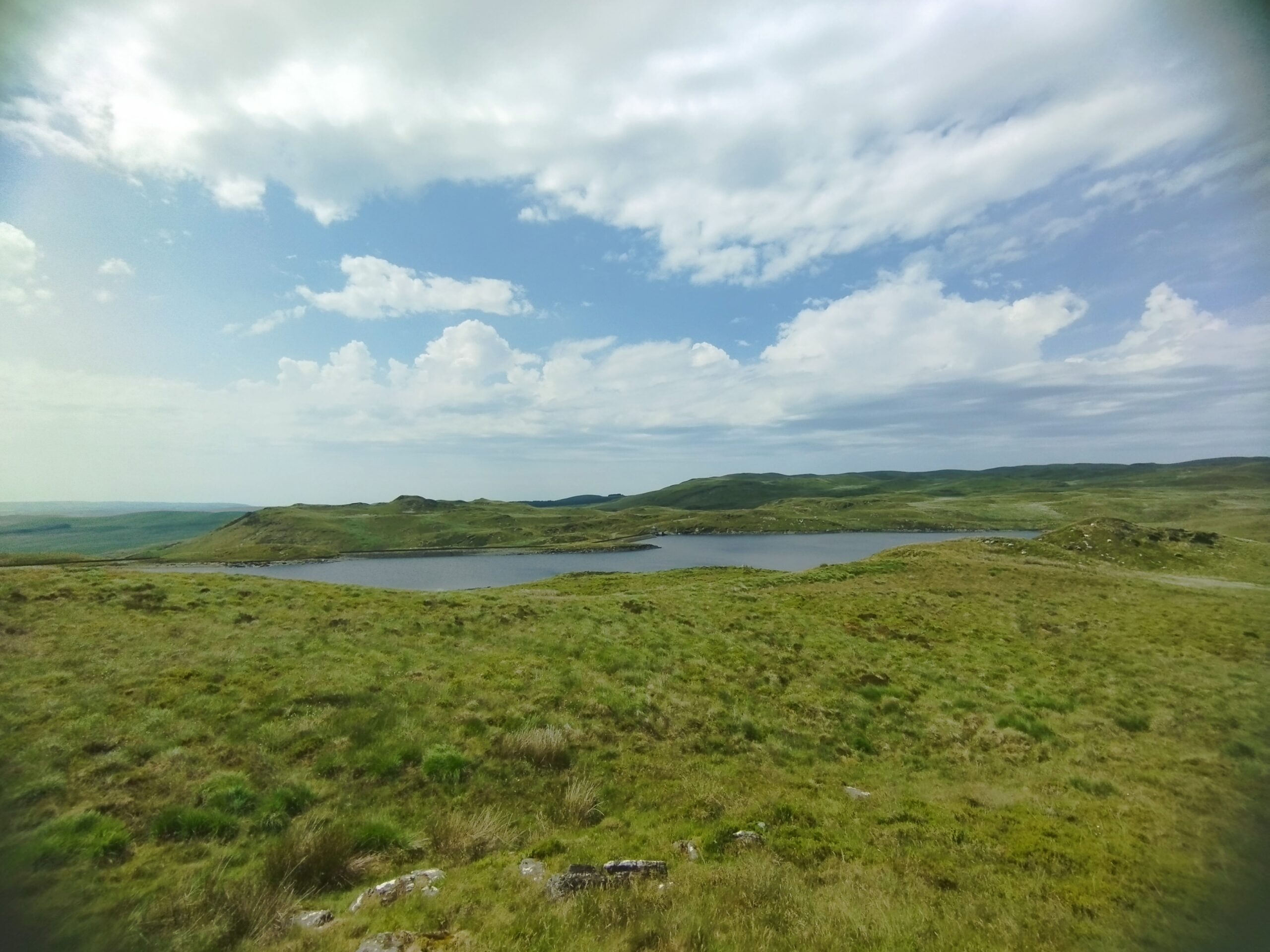
Tucked away in the rolling moorland of Northdale, near Rosedale Abbey in the North York Moors, lies a remarkable project that blends sculpture, walking, restoration, and deep connection to place. Hanging Stones is the latest large-scale work by British artist Andy Goldsworthy, commissioned by the Ross Foundation, and is not just a single artwork—it is a journey. hangingstones.org+2Financial Times+2
Origins and Vision
Goldsworthy, known for his site-specific art often made of natural materials—stones, wood, leaves, ice—has long worked with the landscape as both canvas and collaborator. Hanging Stones is one of his most ambitious undertakings: the project re-imagines and restores existing buildings in varying states of disrepair, connecting them via a six-mile walk through the moor valley. hangingstones.org+1
Commissioned by the Ross Foundation, the project aims not only to create striking art but also to revive architectural heritage: nine buildings (plus one new one) have been restored as artworks. Goldsworthy conceived of the whole as a single artwork in which the walk itself—and how one moves from structure to structure—is as integral as what is inside each building. hangingstones.org+1
What Walkers Will Experience
-
The route & buildings: The walk covers ~6 miles (Northdale area), linking together nine restored buildings: Southfield House, Hanging Stone House, Sugget Spring, Job’s Well, Hither House, Bogs House, Ebenezer, Northdale Head House (also known as Dowson’s House) and Red House. A tenth, Heygate Thorns, is under construction (completion expected 2025). hangingstones.org+1
-
Time & difficulty: It takes about 5-6 hours, depending on pace and time spent at the buildings. It’s best suited to proficient walkers; terrain can be challenging, especially in wet weather, with some parts muddier or slippery. hangingstones.org
-
Access & logistics: Visitors must book in advance. To enter the buildings you’re given a key (from the Ross Foundation) and a map. You take responsibility for opening/closing the buildings. Walkers cannot stay overnight, and buildings are only accessible during daylight hours. Some parts of the walk are over public rights of way; others are “permissive paths” granted by the Rosedale Estate. hangingstones.org
Artistic Highlights
Goldsworthy’s interventions are subtle but powerful. Each building has a different interplay of material, light, space and textures. For example:
-
In some of the restored buildings you’ll find natural materials (wood, stone, etc.) used in ways that amplify the sense of the building being shaped by both human hands and landscape.
-
One evocative feature noted in press coverage: an 11-tonne sandstone block suspended inside Hanging Stone House, so visitors can crawl underneath and contemplate how it is held there in balance. Financial Times
-
Spaces are often quiet, dim, and contemplative, drawing attention to elements like fire, shadows, air, weather, decay and renewal. It’s not gallery art; it’s art in the moor, and the moor shapes it.
What Makes It Special
Here are some features that make Hanging Stones unique:
-
Integration of Nature & Architecture
These houses were originally vernacular buildings, often in decay. By restoring them and transforming them into works of art, Goldsworthy preserves heritage while also reinterpreting the past. The walk and landscape are not just settings but collaborators. -
The Walk as Art
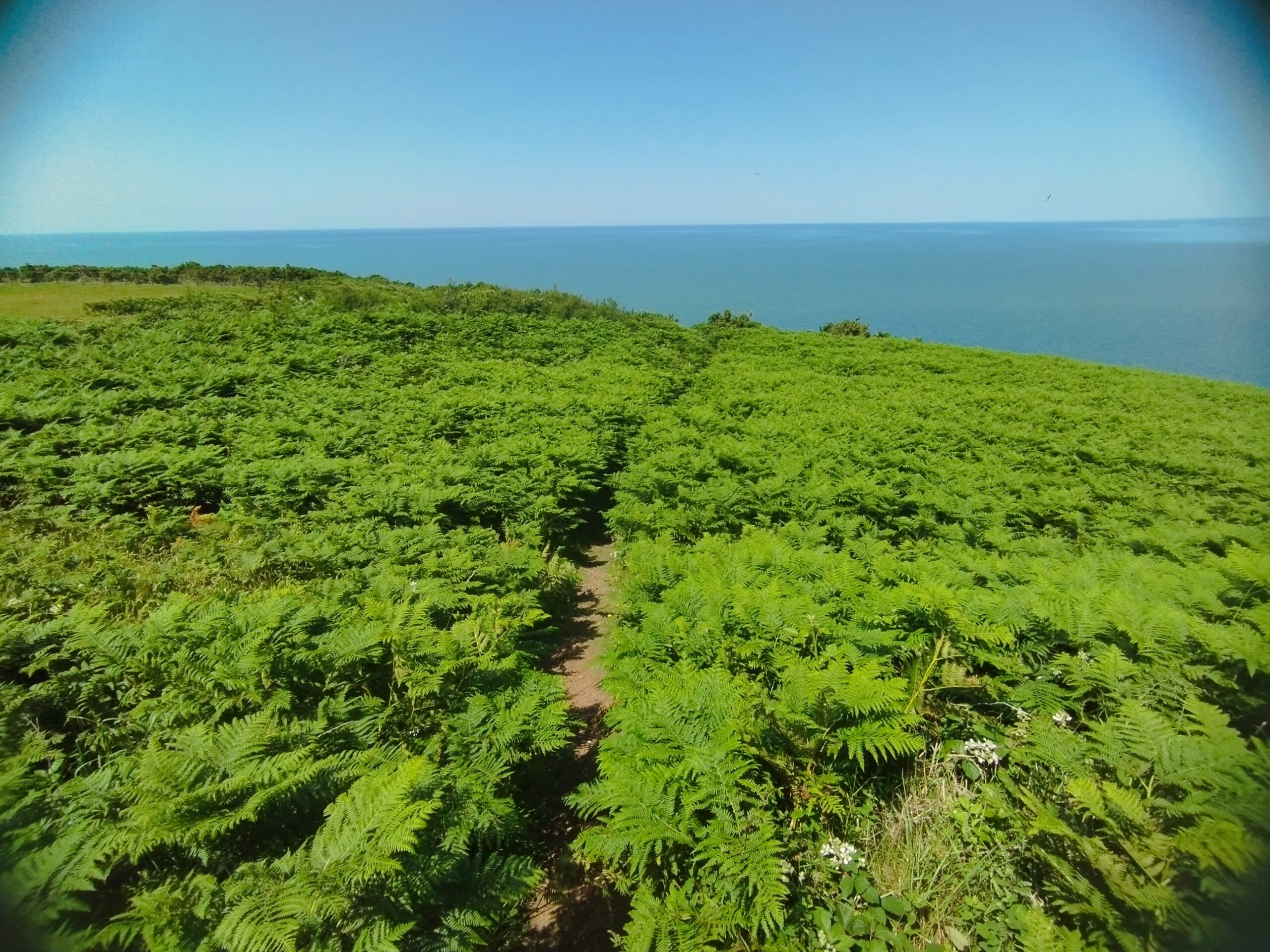
The path between the buildings is itself part of the art. Each stage builds anticipation — crossing terrain, glimpsing the next building, experiencing changes in view, light, weather. -
Restricted Access & Slow Experience
Limiting numbers of visitors, having keys, no overnight stays, and requiring daylight means people tend to move slower, pay more attention. By imposing friction, the project resists becoming a mass-tourism site. -
Sustainability & Stewardship
There’s thought being given to how to maintain the buildings, manage footfall, protect the moor, and how visitors can honour the site. There are no facilities along the route; walkers are asked to tread lightly. hangingstones.org
Practical Tips for Visitors
If you plan to visit, here are things to know:
-
Book ahead. As noted, numbers are limited. Make sure you secure a time slot and the key.
-
Wear proper walking boots / footwear suited for mud and uneven ground. Check weather forecasts.
-
Bring map, water, snacks. Since there are no facilities on the walk, you’ll need to be self-sufficient.
-
Start early in the day to make sure you have daylight for all buildings and return walk.
-
Respect the art, buildings, and environment: keep dogs on leads, close gates, leave no trace.
Reflections: Why Hanging Stones Resonates
Hanging Stones speaks to many of the values people are hungry for today:
-
A yearning for slowness and deep engagement with place.
-
The desire to bridge past and present: reviving old buildings, recognizing landscape history, yet creating something new.
-
The interrelationship of art and nature, how each shapes the other.
-
A sense of pilgrimage or exploration rather than passive consumption—walking, discovering, reflecting.
It also raises questions: what does it mean to restore, to preserve, to intervene in nature? How do you balance public access with conservation? What is the role of private patronage in creating cultural landmarks?
Conclusion
Hanging Stones is more than an art installation; it is a journey. It invites you to walk, to reflect, to feel the texture of moorland and stone, and to slow down in a landscape full of weather, time, and memory. If you get the chance to walk it, it’s the kind of place that lingers in your mind long after you return home.